Ceramic & Zirconia Dental Implants in Scottsdale, AZ
Metal-free, tooth-colored implants, planned around your health history and placed with a biological protocol.
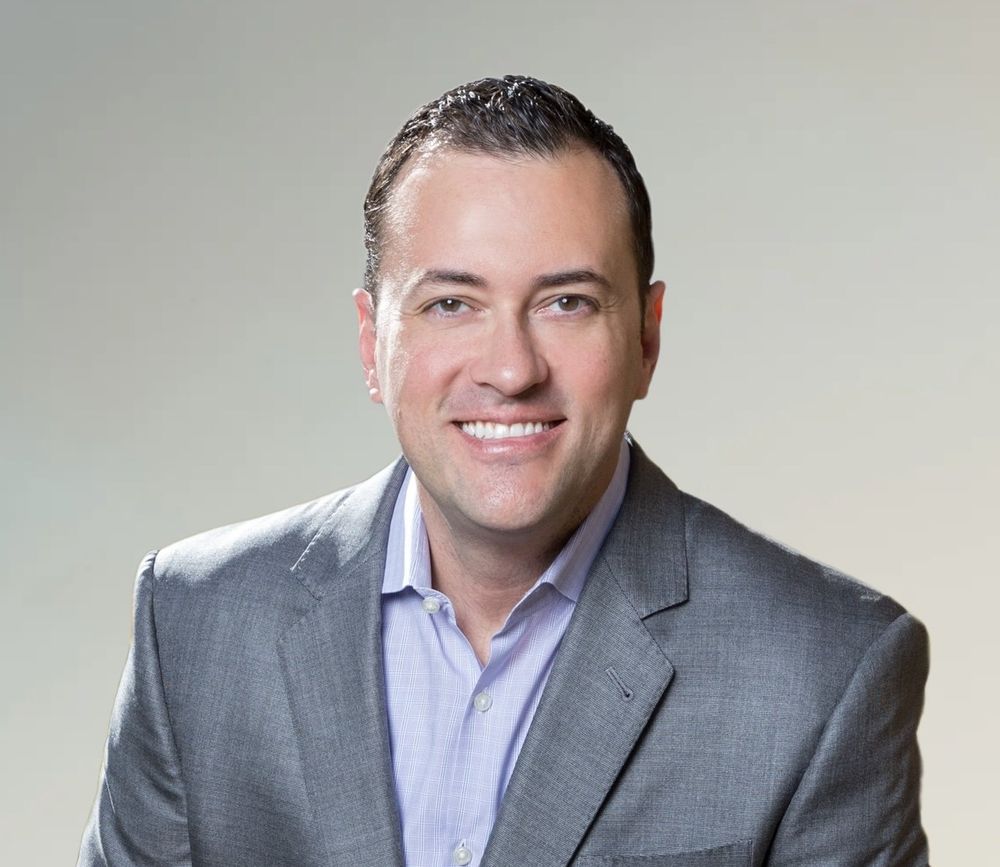
 Clinically reviewed by Dr. Kamran Fattah, DMD
- 440+Google reviews, rated 5.0
- SDSadvanced ceramic implant training
- 1,500+hours of advanced dental education
- CERECmentor for same-day ceramic crowns
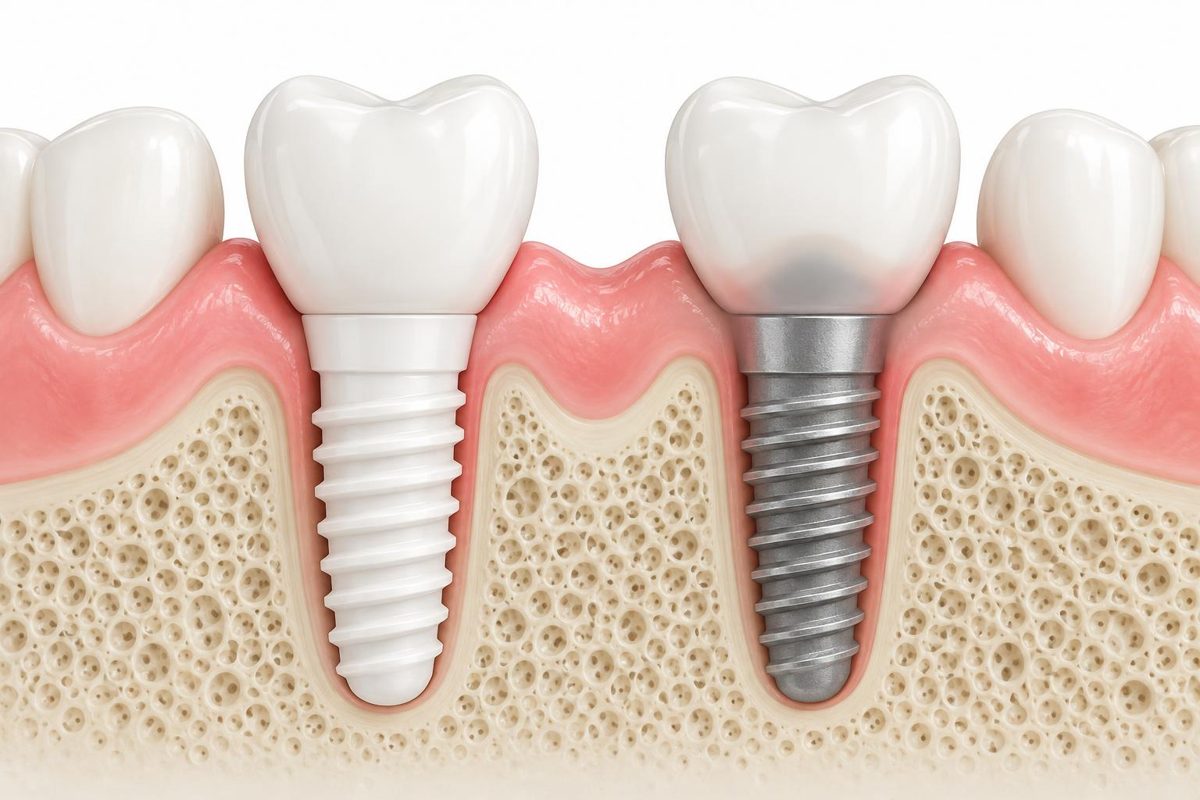
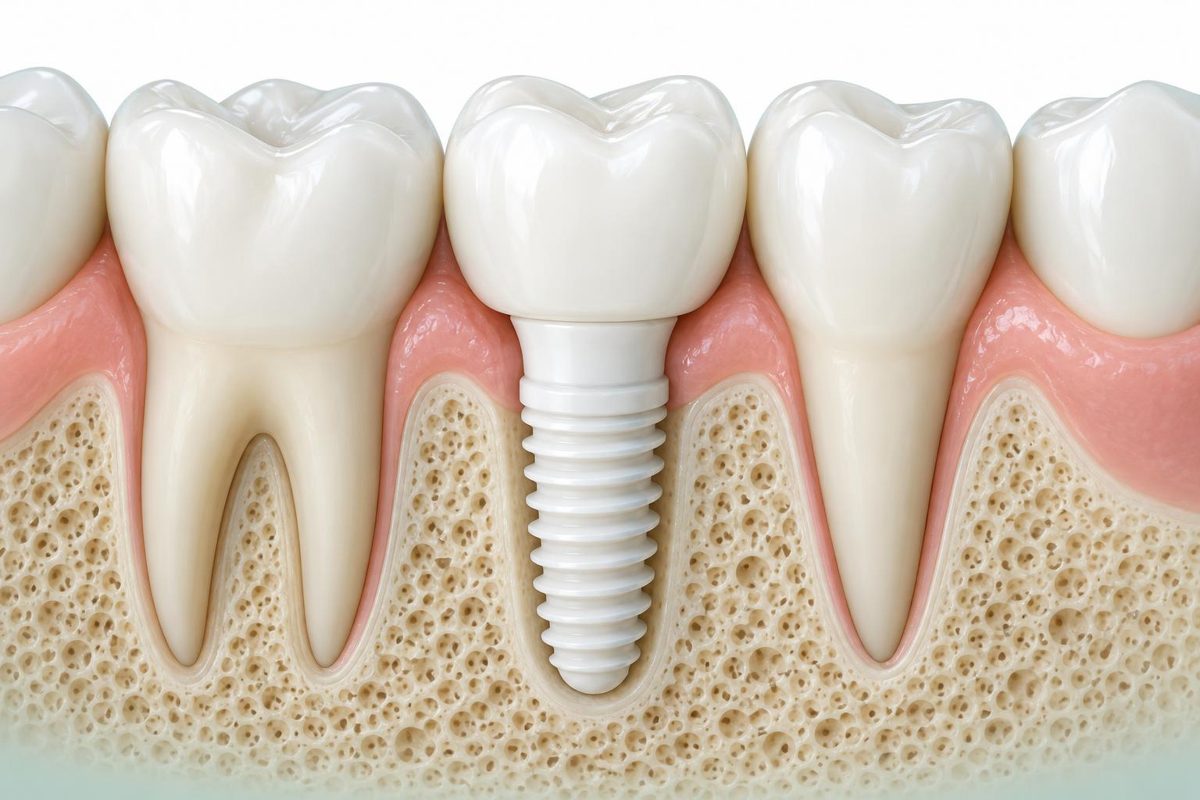
Ceramic implants replace missing teeth with a strong, tooth-colored zirconia root instead of titanium. There's no metal in the implant, the post, or the crown, so nothing shows through your gums and nothing can corrode.
At Scottsdale Family Smiles, Dr. Fattah places SDS (Swiss Dental Solutions) one-piece and two-piece ceramic implants, often on the same day a tooth is removed. Every implant follows a biological protocol built to give your bone and gums the cleanest, healthiest start. Call (480) 607-6937 to find out if you're a candidate.
Book a Ceramic Implant Consultation- Benefits
- Why SDS
- Dr. Fattah's training
- Are you a candidate?
- Our protocol
- Titanium & metal removal
- The research
- Recovery & risks
- FAQ
Key takeaways
- 100% metal-free from root to crown, with SDS implants certified clean by an independent foundation.
- One-piece and two-piece options, so we can match the implant to your bone, bite, and the tooth being replaced.
- Same-day placement is often possible. When it isn't, we graft the socket and place the implant once it heals.
- A biological surgical protocol: ultrasonic cleaning, ozone, laser disinfection, and your own platelet-rich fibrin (PRF).
- Modern zirconia implants report about 97% survival at 10–11 years in published studies.
Why Patients Choose Ceramic Implants
Not sure how ceramic compares with titanium? Read Why Metal-Free Implants? for a side-by-side comparison.
Natural Esthetics
White zirconia blends with your natural teeth and never leaves a gray shadow at the gumline, even with thin or receding gums.
Completely Metal-Free
No corrosion, no metal ions, and no electrical currents between metals in your mouth. A good fit for metal sensitivities and holistic health goals.
Gum-Friendly
Studies show less plaque buildup on zirconia and a favorable gum response around it, which matters for long-term implant health.
Strong & Proven
Zirconia matches titanium in tensile strength and is about twice as strong under compression. Modern designs have 10+ years of published results.
Fewer Surgeries
When conditions allow, the tooth comes out and the implant goes in during the same visit, shortening your overall treatment time.
Comfortable & Low-Maintenance
A ceramic implant feels like a natural tooth and is cared for the same way: brushing, flossing, and regular checkups.
Why We Use SDS Ceramic Implants
Not all ceramic implants are the same. We chose SDS (Swiss Dental Solutions) because the system is designed from the ground up for biological dentistry:
- No metal anywhere in the system, including the posts and connecting parts.
- Certified clean. SDS1.2 and SDS2.2 implants are certified by the independent CLEAN implant Foundation, which inspects implants straight out of the package for manufacturing residue and contamination.
- Options for nearly every situation, in one-piece and two-piece designs and a range of sizes.
- Built for immediate placement. The design suits same-day placement into fresh extraction sites in many cases.
- Part of a whole-body approach. SDS was founded by the creator of the Swiss Biohealth Concept, the biological protocol we also follow for cavitation surgery.
One-Piece or Two-Piece?
Dr. Fattah places both, and chooses based on your bone, your bite, and which tooth is being replaced.
| One-piece ceramic implant | Two-piece ceramic implant | |
|---|---|---|
| Design | Root and post made as a single solid unit | Root placed first; post attached separately |
| Main advantage | No joint or gap where bacteria can collect; the most research behind it | More flexibility in angle and timing; the implant can heal undisturbed below the gum |
| Restoration | The post is shaped ("prepped") like a natural tooth, then a crown is bonded on | Crown attached to the post, with more options for adjusting it later |
| Often used for | Single teeth with good bone and a favorable bite, including many same-day cases | Angled sites, grafted areas, or when the implant should heal fully before any load |
| During healing | The post sits above the gum, so we protect it from chewing while bone integrates | Can stay covered and protected below the gum |
Trained by Leaders in Ceramic Implantology
Placing ceramic implants well takes specific training. Zirconia behaves differently from titanium during drilling, placement, and restoration, and the biological protocol around it matters as much as the implant itself.
Dr. Kamran Fattah has completed advanced clinical training with SDS ceramic implants and has trained with Dr. Judson Wall and Dr. Kelly Blodgett, two of the leading clinicians and educators in ceramic implantology. He combines that training with a biological approach to the whole patient, not just the tooth.
He places ceramic implants immediately after extraction when the site allows, and after socket grafting when it's better to let bone mature first, and will explain which is right for you and why.
- Advanced clinical training with SDS ceramic implants
- CEREC mentor: same-day, metal-free ceramic crowns
- Advanced training at the Spear Institute and the Kois Center
- Over 1,500 hours of advanced dental education
- Member, IAOMT and IABDM; SMART Certified
- Practicing dentistry since 2003


Are You a Good Candidate?
Most adults who are missing a tooth, or have a tooth that needs to come out, can have a ceramic implant. A good candidate has:
- A fully developed jaw. Implants are usually placed once jaw growth is complete, typically in the late teens or later.
- Enough healthy bone, or the ability to rebuild it with a bone graft.
- Healthy gums. Active gum disease is treated first. Our laser gum therapy can help.
- The ability to heal well and a commitment to daily cleaning and regular checkups.
Things We'll Talk About First
Some conditions don't rule out an implant but need extra planning or a conversation with your physician:
- Uncontrolled diabetes or other conditions that slow healing
- Smoking or vaping
- Bleeding or clotting disorders, or blood thinners
- Bone medications such as bisphosphonates, or past radiation to the head and neck
- Heavy clenching or grinding
- Low vitamin D or other nutrient deficiencies
If a ceramic implant isn't the best option for you, we'll explain why and talk through alternatives such as a titanium implant, a bridge, or a partial denture.
A Biological Approach, Step by Step
Implant problems often start before the implant goes in: infection left in the bone, a contaminated site, or placing into bone that isn't ready. Our protocol is designed to prevent each of these.
"Anyone can make a hole," as the saying goes among implant surgeons. How the site is prepared is what sets up an implant for long-term health.
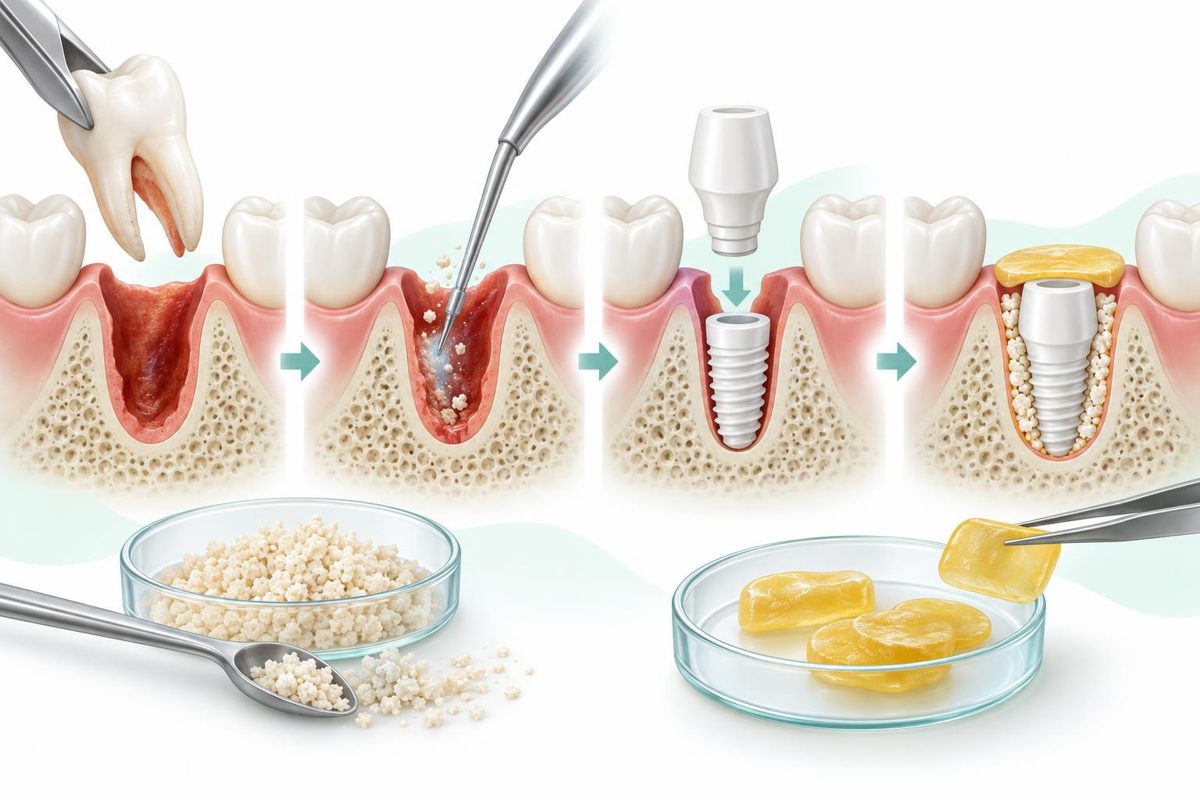
- Consultation and 3D CBCT scan. We review your health history and map your bone, nerves, and sinuses in 3D, and check old extraction sites for cavitations.
- Preparing your body. We recommend nutritional support before and after surgery, including vitamin D3, K2, magnesium, and vitamin C, which are important for bone healing.
- Gentle extraction. If a tooth needs to come out, we remove it carefully to preserve the surrounding bone and gum and protect blood flow to the area.
- Thorough cleaning. We remove the old ligament and any infected tissue with piezoelectric ultrasonic instruments, so no soft tissue is left where bone needs to grow.
- Disinfection with ozone and laser. We disinfect the site with medical ozone and SWEEPS laser irrigation using the Fotona LightWalker.
- Implant placement, now or later. If the site is clean and the bone holds the implant firmly, the ceramic implant goes in the same day. Otherwise, we fill the socket with a synthetic bone graft mixed with platelet-rich fibrin (PRF) from your own blood, and place the implant after the bone has matured.
- PRF and closing. PRF from your own blood helps the gum and bone heal. A PRF membrane covers the graft, with a barrier membrane for larger defects, and we close with monofilament sutures, which collect less bacteria than braided ones.
- Healing. Bone integrates with the implant over the next few months. We protect the implant during this time, and a temporary tooth can often be placed so you're never without a smile.
- Your final crown. Once the implant is fully integrated, we place a custom, metal-free ceramic crown matched to your teeth.
- Follow-up. Regular checkups and professional cleanings keep the implant, gum, and bone healthy for the long term.
Same-Day vs. Delayed Placement
| Immediate (same-day) placement | Placement after socket grafting | |
|---|---|---|
| When it's used | The site is free of infection after cleaning and there's enough bone to hold the implant firmly | Infection, bone loss, or a thin socket wall means the site needs to heal first |
| Surgeries | Extraction and implant in one visit | Extraction and graft first; implant a few months later |
| Advantages | Shorter treatment time and helps preserve bone and gum shape | The implant goes into mature, healthy bone, which is the safest choice when the site is compromised |
Titanium Implant & Metal Removal
Many of our ceramic implant patients come to us with titanium implants or metal crowns they'd like replaced.
When we recommend removing metal
Not every titanium implant needs to come out. A healthy, stable implant in a patient with no reaction to metals can often stay. We recommend removal when there's a clear reason, such as:
- A confirmed metal sensitivity. We can test for sensitivity to dental metals. If testing shows a sensitivity to metals, we'll review every metal restoration in your mouth with you: titanium implants, metal crowns and bridges, and amalgam fillings. You decide what to replace and when, and we'll help you plan a safe sequence. Amalgam is always removed with the SMART protocol.
- A failing or infected implant, such as one with progressive bone loss (peri-implantitis), mobility, or recurring inflammation.
- Your own health goals. Some patients choose a fully metal-free mouth. We'll talk through the benefits, risks, and costs so it's an informed choice.
True titanium allergy is uncommon. In one study of 1,500 implant patients, 0.6% tested positive for titanium sensitivity. That's why we test rather than assume, and why test results guide the plan.
How removal and replacement work
- Testing and imaging. Metal sensitivity testing plus a 3D CBCT scan of the implant and surrounding bone.
- Careful removal. The titanium implant is removed as conservatively as possible to preserve bone.
- Cleaning and grafting. The site is disinfected with ozone and laser, then grafted with PRF from your own blood when needed.
- Ceramic implant. A zirconia implant is placed immediately when conditions allow, or once the site has healed.
- Other metals. When you choose to replace other metals, metal crowns are replaced with ceramic crowns or onlays, and amalgam fillings are removed with our SMART protocol, usually in a planned sequence.
"Sounds Great, But Do They Work?"
It's a fair question, and one we want you to ask. Here's what the published research on modern zirconia implants shows.
| Study | What it looked at | What it found |
|---|---|---|
| Roehling et al., 2026 Prospective study | 44 one-piece zirconia implants in single-tooth gaps, at three centers in Germany, followed for 10 years | 97.7% survival at 10 years, moderate bone loss, and stable esthetics. The authors call zirconia a clinically reliable alternative to titanium. The study is small, so larger trials are still needed. |
| Monzavi et al., 2026 Retrospective study | 275 zirconia implants from five systems in 174 patients, placed in private practices from 2013 to 2025, followed up to 11 years | 97.6% overall survival. SDS implants (25 implants, up to 6 years) had 96.0% survival, in line with the other systems. |
| Neugebauer et al., 2023 Systematic review | Published studies on one- and two-piece ceramic implants | One-piece ceramic implants achieve osseointegration similar to titanium, with stable bone levels. The fracture risk for currently available implants is low. There's less long-term evidence for two-piece designs. |
| Saila et al., 2025 Comparative study | Zirconia vs. titanium implants over 5 years | Similar survival (94% zirconia, 96% titanium), with better soft-tissue integration and less inflammation around zirconia. |
Survival vs. success: survival means the implant is still in place. Success is stricter and also requires stable bone and healthy gums. Both are worth asking about.
The honest bottom line: titanium has more decades of data. Modern zirconia now has 10+ years of encouraging results, and the evidence keeps growing.
Recovery & Aftercare
- First few days: mild soreness and swelling are normal. Comfort options we recommend: arnica, red-light therapy, warm and cold packs, and an over-the-counter pain reliever if needed.
- First weeks: soft foods, and chewing away from the implant. With a one-piece implant, it's important to avoid biting on it while it integrates.
- Keep it clean: gentle brushing around the site, and rinses as directed.
- Keep up the nutrition: continue your vitamin D3, K2, magnesium, and vitamin C to support bone healing.
- Long term: brush, floss, wear a night guard if you grind, and keep your regular checkups.
Risks and Limitations
Every surgical treatment carries risk, and you deserve to know them:
- Implant failure. Any implant, ceramic or titanium, may fail to integrate or be lost later. Smoking, uncontrolled diabetes, and poor hygiene raise the risk.
- Peri-implant disease. Ceramic implants can still develop gum inflammation if plaque builds up.
- Fracture. Rare with modern zirconia, but heavy forces matter more because zirconia is less flexible than titanium.
- Fewer restorative options. Ceramic systems have fewer parts than titanium, which can limit options in some complex cases.
- Surgical risks such as swelling, bleeding, infection, and rarely nerve or sinus involvement, which careful 3D planning helps avoid.
Alternatives to Ceramic Implants
A ceramic implant is one option among several, and we'll talk through each one with you:
- Titanium implants. The most widely studied implant material, with more restorative parts available for complex cases.
- A bridge. A fixed replacement supported by the neighboring teeth, which need to be reshaped for crowns.
- A removable partial or full denture. Less invasive and lower in cost, though less stable than an implant.
- Leaving the space. Sometimes reasonable, though nearby teeth can shift and the bone can shrink over time.
For a full arch, we offer metal-free ceramic options that work like All-on-4. See options for missing teeth.
From a Retired Holistic Dentist
“I'm a retired holistic dentist and naturopathic physician, so I have very high standards. … I needed some complex dentistry including a ceramic implant and porcelain crowns. Dr. Fattah managed my case so efficiently that it seemed almost effortless. The final results look and feel both beautiful and natural.”
★ 5.0 on Google from 440+ reviews · Read more patient reviews
Ceramic Implant FAQ
Can I get a ceramic implant the same day my tooth is removed?
Often, yes. If the site is free of infection after cleaning and there's enough healthy bone to hold the implant firmly, Dr. Fattah can place a zirconia implant right after the extraction. If not, we graft the socket first and place the implant once the bone has healed.
How long do ceramic implants last?
Studies of modern zirconia implants report about 97% survival at 10 to 11 years. With good care and regular checkups, an implant is meant to last for decades.
What's the difference between one-piece and two-piece ceramic implants?
A one-piece implant has the root and post made as a single unit, with no joint where bacteria can collect. A two-piece implant has a separate post attached later, which gives more flexibility in angle and timing. Dr. Fattah places both and chooses based on your bone, bite, and the tooth being replaced.
How long does the whole process take?
With same-day placement, the final crown usually goes on a few months later, once the bone has integrated with the implant. If the socket needs to be grafted first, add a few months of healing before the implant is placed. We'll give you a timeline for your case at your consultation.
Does getting a ceramic implant hurt?
The procedure is done with local anesthetic, so you'll feel pressure but not pain. Most patients describe the first few days afterward as mild soreness, eased with the comfort options we recommend: arnica, red-light therapy, warm and cold packs, and an over-the-counter pain reliever if needed.
Can a titanium implant be replaced with a ceramic one?
Often, yes. The titanium implant is removed, the site is cleaned and grafted if needed, and a zirconia implant is placed when the bone is ready. Whether it makes sense depends on the implant's health and the surrounding bone.
Are ceramic implants more expensive?
Ceramic implants often cost somewhat more than titanium because of the material and the additional training involved. Your cost depends on whether you need an extraction, grafting, or other treatment. We'll give you a clear written estimate before you decide.
Will a ceramic implant set off metal detectors or affect an MRI?
No. Zirconia is not magnetic and contains no metal, so it won't set off metal detectors and doesn't interfere with an MRI the way metal can.
How do I get ready for implant surgery?
Healing starts before your surgery day. For the 4 weeks before and the 4 weeks after any oral surgery, we'll have you follow our nutritional supplement and lifestyle protocol. It gives your body what it needs to heal well.
Vitamin D plays a role in bone healing, and some studies link low levels to early implant failure, though results are mixed. We check your level before surgery and recommend supplements if it's low. Dr. Fattah aims for 60 ng/mL or higher before implant surgery. We'll go over your protocol and any instructions for your sedation at your consultation.
What is recovery like after ceramic implant placement?
Placing a ceramic implant takes only about 15 to 20 minutes per site, and swelling and discomfort are usually mild and last 1 to 7 days. Plan on 1 to 3 days off work. Following your aftercare instructions closely helps your bone bond securely to the implant.
What is recovery like after titanium implant removal?
Each implant takes about 30 to 45 minutes to remove. You can expect mild to moderate swelling and discomfort for 1 to 7 days. Comfort options we recommend: arnica, red-light therapy, warm and cold packs, and an over-the-counter pain reliever if needed. Small studies suggest arnica may help with swelling and bruising after extractions. Most patients take 1 to 3 days off work.
Do I need to remove my titanium implant if I have a metal sensitivity?
If testing shows a sensitivity to metals, we'll review every metal restoration in your mouth with you: titanium implants, metal crowns and bridges, and amalgam fillings. You decide what to replace and when, and we'll help you plan a safe sequence. Amalgam is always removed with the SMART protocol. If you choose to replace a titanium implant, it's removed conservatively, the site is cleaned and grafted if needed, and a ceramic implant is placed when the bone is ready.
Can you test me for metal sensitivity?
Yes. We offer testing for sensitivity to dental metals and materials before treatment, so the plan is based on your results rather than assumptions.
Related Services
Related Reading
Book With a Trained Ceramic Implant Dentist
Schedule a consultation with Dr. Fattah in Scottsdale. We'll take a 3D scan, review your health history, and walk you through your options, including whether a same-day ceramic implant is right for you.
Patients travel to our Scottsdale office from Phoenix, Paradise Valley, and the East Valley.
This page is for patient education and is not medical advice. Diagnosis and treatment decisions should be made with your dentist and physician based on your individual exam and health history.