Biological Dentistry in Scottsdale, AZ
Whole-body dental care, with time to listen and materials chosen with you in mind
 Clinically reviewed by Dr. Kamran Fattah, DMD
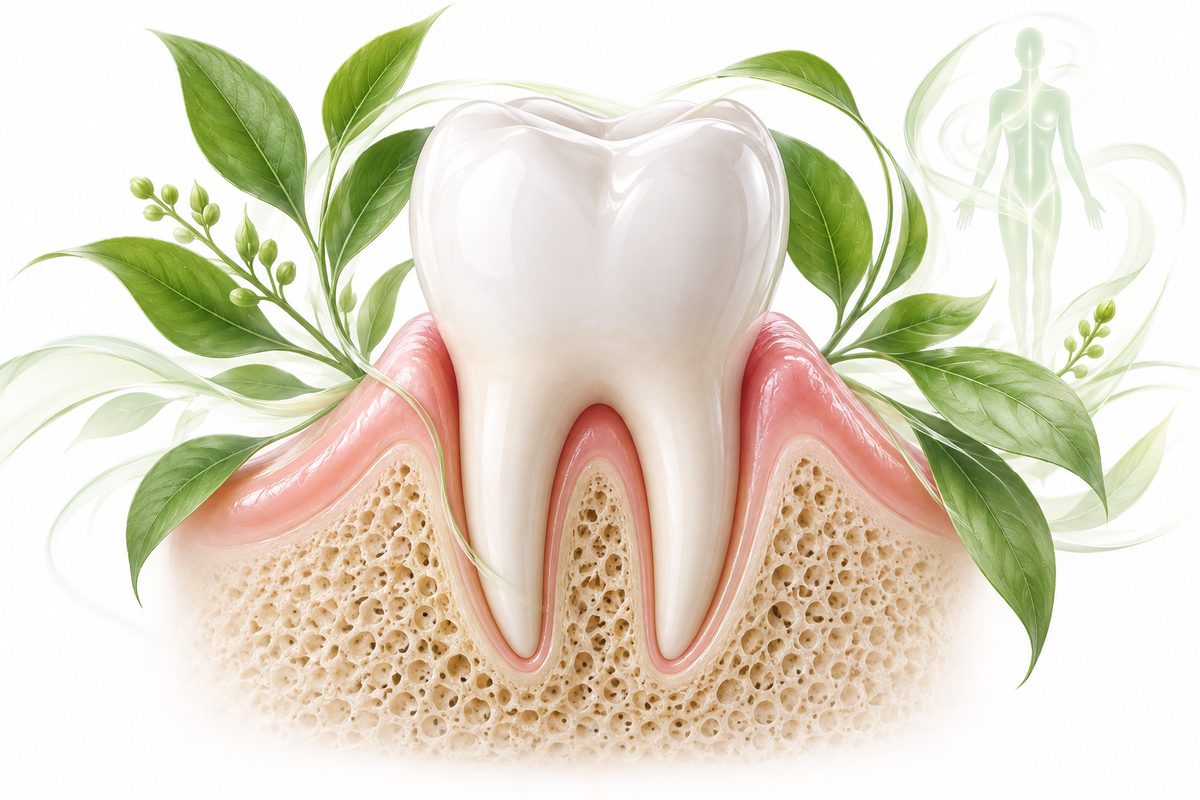
Many people come to us after searching for a long time. Some have health concerns and want to understand how their mouth fits in. Some are worried about the materials in their fillings, or have had dental visits where they didn't feel heard. Others simply want a more thoughtful approach to care for their family. Whatever brings you here, your questions are welcome.
Biological dentistry treats your mouth as part of your whole body. Like any excellent dentist, Dr. Fattah cleans, repairs and restores teeth. He also looks for the reasons problems develop, selects materials with your health history in mind, favors prevention and conservative treatment, and considers how your teeth, gums, jaws, airway and sleep relate to your overall well-being.
At Scottsdale Family Smiles, that includes metal-free and BPA-free restorations, SMART-certified mercury-safe dentistry, ozone therapy, ceramic implants, SimplyPERIO saliva testing, Biocomp Laboratories compatibility testing, and close collaboration with your other health practitioners. Call (480) 607-6937 to begin.
Book a Biological Dental Visit- Oral & overall health
- Biological vs. holistic
- Choosing materials
- Prevention
- Our services
- How care differs
- Your evaluation
- Benefits & limits
- Integrative team
- FAQ
Key takeaways
- Care that looks for root causes, considering nutrition, sleep, breathing, and overall health alongside your teeth.
- Biological dentistry supports your overall health; it does not cure medical conditions or replace your physician.
- SimplyPERIO saliva testing and optional Biocomp Laboratories compatibility testing to guide treatment and material choices.
- Biocompatible, metal-free, and BPA-free materials, chosen with your health history in mind.
- SMART-certified safe removal of old mercury fillings, following the IAOMT's protocol.
- Minimally invasive tools including ozone therapy, lasers, and fluoride-free hydroxyapatite.
- We work with naturopaths, ENTs, nutritionists, myofunctional therapists, sleep physicians, and chiropractors.
How Your Mouth Relates to the Rest of Your Body
Your mouth is part of your body, not separate from it. Gum inflammation, chronic infection, how you breathe at night, the materials in your fillings, and the nutrients your body has to heal with all influence each other. Research has found associations between gum disease and conditions such as diabetes and heart disease, and between poor sleep and many aspects of health. These are links, not proof that treating the mouth will cure a medical condition, but they are good reasons to care for your mouth as part of your overall health. Read more about the mouth–body connection.
Biological dentistry brings these connections into the dental chair. Our goal isn't just to fix the tooth in front of us, but to support your long-term health as part of the team that cares for you.
- Understanding your existing health concerns and lifestyle
- Choosing biologically compatible materials
- Evaluating sleep quality, breathing, and airway
- Explaining the oral–systemic connection
- Partnering with your other practitioners
Biological, Holistic and Integrative Dentistry
You'll see these three words used almost interchangeably, and they overlap a great deal. All three describe dental care that considers the whole person. The differences are mostly in emphasis:
- Biological dentistry focuses on how dental materials and treatments interact with the body, with attention to biocompatibility and the science behind each choice.
- Holistic dentistry emphasizes the whole person, including nutrition, sleep, stress and lifestyle, alongside the teeth.
- Integrative dentistry describes working with physicians and other practitioners so dental care fits into your broader health plan.
At our practice, we use all three ideas together. What matters most isn't the label but the care: listening carefully, choosing materials thoughtfully, preventing problems where we can, and explaining your options honestly.
How We Select Dental Materials
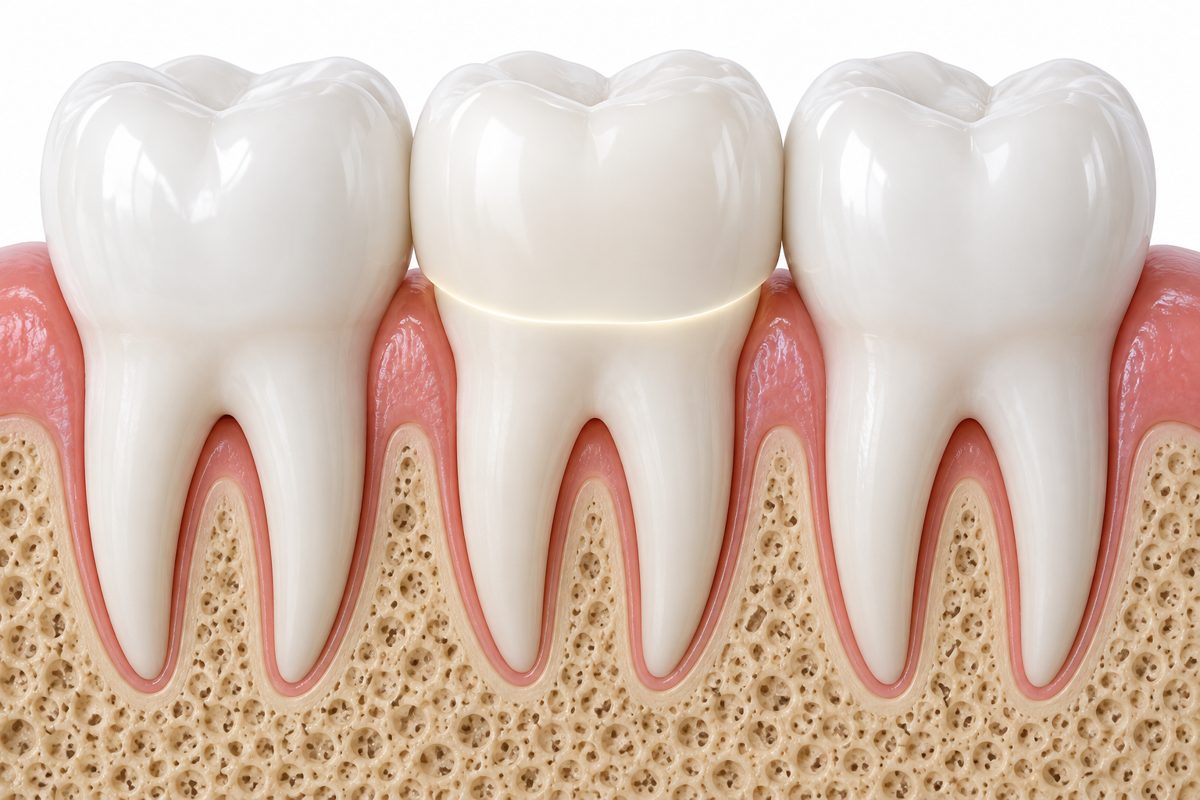
No material is ideal for every person or every tooth. We choose with you, based on your health history, the job the restoration needs to do, and your preferences.
- Your history first. We ask about allergies, sensitivities, chronic health concerns and past reactions to dental work.
- Metal-free by default. We do not place mercury amalgam. Fillings use VOCO Admira Fusion, a ceramic-based composite made without BPA or conventional resin monomers. Larger repairs use ceramic inlays, onlays and crowns, and implants can be zirconia.
- Testing, if you'd like it. For patients with sensitivities or complex health histories, an optional blood test through Biocomp Laboratories checks reactivity to thousands of dental materials before treatment. It is one helpful guide, not a guarantee that no reaction can occur.
- Careful removal of old materials. When old amalgam fillings come out, we follow the IAOMT's SMART protocol.
Prevention and Conservative Treatment
The most biocompatible tooth is your own. We aim to keep as much natural tooth structure as possible and to treat problems early, when care can be simpler.
Understanding your risk
SimplyPERIO saliva testing identifies bacteria associated with gum disease, so gum care can be tailored to you rather than guessed at.
Strengthening enamel
Hydroxyapatite and Curodont help remineralize early weak spots. Fluoride is available as your choice, not a default.
Minimally invasive care
Bonded fillings need less healthy tooth removed. Ozone and the Fotona LightWalker laser help disinfect and treat gums with less drilling and cutting.
Our Biological Dental Services
Every area below has its own page explaining how we approach it, what it involves and what the research says.
Mercury-Safe Dentistry
SMART-certified removal of silver (amalgam) fillings with protective protocols for you, our team, and the environment.
Ozone Therapy
Medical ozone to disinfect and support healing in cavities, gums, root canals, and surgical sites, reducing reliance on antibiotics.
Ceramic Implants
Metal-free SDS zirconia implants placed with a biological surgical protocol.
Jawbone Cavitations
3D imaging, diagnosis, and surgical cleaning of areas of poorly healed jawbone.
Fluoride-Free Dentistry
Hydroxyapatite varnish and toothpaste to strengthen enamel, with fluoride as your choice, not a default.
BPA-Safe, Metal-Free Materials
Fillings, crowns, and restorations free of metal and BPA, selected with your health history in mind.
Saliva Testing & Nutrition
SimplyPERIO saliva testing and nutrition guidance to support healthy gums and healing.
Airway & Sleep
Screening for snoring and sleep apnea, with oral appliance, Vivos, and laser options.
Laser Gum Therapy
Minimally invasive treatment of gum disease with the Fotona LightWalker laser.
PRF (Platelet-Rich Fibrin)
Healing factors from your own blood, used to support recovery after extractions and implant surgery.
Mouth–Body Connection
What research shows about gum health, the heart, diabetes, pregnancy and more.
Tooth Meridians
The traditional view of how individual teeth relate to organs and energy pathways, and what it can and can't tell us.
How Biological Care Differs
Conventional dentistry provides safe, effective care for millions of people, and Dr. Fattah provides the same essential care as any skilled dentist: cleanings, fillings, crowns, implants and more. The difference is in the layers added on top and the choices offered to you.
| Typical conventional approach | Our biological approach | |
|---|---|---|
| Focus | The tooth or problem in front of us | The tooth, plus the root cause and its link to your overall health |
| Fillings | Amalgam may still be used | Metal-free, BPA-free composites and ceramics only |
| Old amalgam removal | Standard drilling and suction | IAOMT SMART protocol with isolation, high-volume suction, and protective barriers |
| Implants | Titanium | Ceramic (zirconia) or titanium, your choice |
| Infection control | Antibiotics and antiseptics | Ozone and laser disinfection, reducing the need for antibiotics where appropriate |
| Cavity prevention | Fluoride | Hydroxyapatite, Curodont peptide, Ozone |
| Screening | Teeth and gums | Teeth, gums, airway, sleep, tongue tie, jaw joints, and nutrition |
Your Biological Dental Evaluation
Your first visit takes about an hour, and it starts with what you'd like to achieve.
- Before you come. Bring your ID, insurance card and a list of your medications. If you'd like us to use previous X-rays, request them from your prior dentist ahead of time.
- A real conversation. We review your detailed medical and dental history, your health concerns and how they may relate to your mouth, and your goals, including sleep, energy and any sensitivities.
- A comprehensive exam. Teeth, existing restorations, gum measurements, bite and jaw joints, a head and neck exam, oral cancer screening, and a check of tongue function for tongue tie.
- Imaging. Including low-dose 3D imaging when it helps us see hidden infection, bone or airway structures.
- Your personalized plan. We explain what we found, the options and alternatives, and the reasons for each, so you can decide with confidence. Nothing is decided for you.
- After your visit. We bill your insurance for you, and payment is due at the time of service. We accept credit cards, CareCredit, Cherry, checks, cash and wire transfer.
If you've had difficult dental experiences, please tell us. We offer several comfort and sedation options, and we'll go at your pace. Learn about our approach to dental anxiety.
Benefits, Limitations and Alternatives
Potential benefits
- Materials selected with your health history and preferences in mind
- More natural tooth structure preserved through conservative care
- Attention to gums, airway, sleep and nutrition alongside teeth
- Care coordinated with your other practitioners
Limitations
- Biological dentistry does not cure systemic disease, and it is not a substitute for medical care
- Evidence is strong for some approaches and still emerging for others; we'll tell you which is which
- Some services, such as ozone therapy or ceramic implants, may have limited insurance coverage
- Testing can guide choices but cannot predict every individual response
Alternatives
- Conventional dental treatment and materials, which we're happy to discuss
- Titanium implants, or bridges and dentures, instead of ceramic implants
- Fluoride for cavity prevention
- Deciding when, or whether, to replace existing amalgam fillings, with our guidance
We're Part of Your Health Team
Dr. Kamran Fattah is a member of the IAOMT and IABDM and is SMART certified for mercury-safe amalgam removal. Some of the most meaningful results come from teamwork. Depending on your needs, we collaborate with naturopathic physicians, ENTs, functional nutritionists, myofunctional therapists, board-certified sleep physicians, and chiropractors, sharing findings so your care is coordinated rather than fragmented.
We see children from age 3 for airway evaluations, screening breathing, tongue-tie, and jaw growth concerns early. Restorative care such as fillings is for older children, teens, and adults.
"At Scottsdale Family Smiles, our team is made up of like-minded people who chose dentistry as a way to serve our community. We're here for anyone looking for a different kind of dental care, especially those who want to feel whole again. Biologic dentistry is how we help them get there."
Dr. Kamran Fattah, DMD
Holistic, and Evidence-Informed
"Holistic" should never mean "unproven." We explain where the research is strong, where it's still emerging, and where a choice comes down to your personal values. You'll find cited sources on each of our holistic pages, and we'll always tell you if we think a treatment isn't right for you.
Why Families Choose a Biological Dentist
“I'm a retired holistic dentist and naturopathic physician, so I have very high standards. Dr. Fattah and his team check all the boxes that I look for in a high quality dental office. As a dentist, Dr. Fattah is highly skilled and well educated in both conventional and holistic dentistry.”
“We specifically searched for a practice that focuses on the root cause of issues and overall wellness, and they truly do exactly that.”
“We appreciate their holistic, biologic approach that’s both honest and evidence-based. Cleanings are always thorough, and we love that they offer thoughtful alternatives to support long-term health.”
“The kindest, most thorough dental experience I’ve ever had. … I felt comfortable and informed every step of the way. I have found my forever holistic dentist!”
“The practice's commitment to biological dentistry and using safe materials/products is also a huge upside!”
“I found this practice from a functional dentist locator/registry. … I'm so glad I went! I was told several things about myself by the dentist that I'd never heard before in other places.”
★ 5.0 on Google from 440+ reviews · Read more patient reviews
Biological Dentistry FAQ
What is the difference between biological and holistic dentistry?
The terms are often used interchangeably. Both describe dentistry that considers the whole body, favors biocompatible materials, and looks for root causes. "Biological" emphasizes the science of how materials and treatments interact with your body.
Do biological dentists still do regular cleanings and fillings?
Yes. We provide all routine and advanced care, including cleanings, exams, fillings, crowns, implants, and cosmetic dentistry, using biocompatible materials and minimally invasive techniques.
Is biological dentistry safe for children?
We see children from age 3 for airway evaluations, screening for breathing, tongue-tie, and jaw growth concerns that affect sleep and development. We do not provide fillings for young children.
Should I have my silver fillings removed?
It's a personal decision, and we'll help you make it based on the condition of each filling, your health history and your concerns. Whenever a filling is removed, it should be done safely, so we always use the IAOMT SMART protocol. See Mercury-Safe Dentistry for details.
Does insurance cover biological dentistry?
Many treatments, such as exams, cleanings, fillings, and crowns, are covered like any dental care. Some services, like ozone therapy or ceramic implants, may have limited coverage. We'll review your benefits and give you a clear estimate.
Can biological dentistry cure my health condition?
No dental approach can promise that. Oral health is one part of overall health, and research links gum disease with conditions such as diabetes and heart disease. We focus on giving you a healthy mouth and working alongside your physicians, not replacing them.
Do I need compatibility testing before treatment?
No, it's optional. Testing through Biocomp Laboratories can be helpful if you have allergies, sensitivities or chronic health concerns. We'll talk through whether it makes sense for you.
What should I bring to my first visit?
Your ID, insurance card and a list of your medications. If you'd like us to use previous X-rays, request them from your prior dentist ahead of time.
Related Services
Related Reading
Experience Whole-Body Dental Care
Schedule a visit with Dr. Fattah and discover a biological approach to your dental health, for you and your family.
This page is for patient education and is not medical advice. Diagnosis and treatment decisions should be made with your dentist and physician based on your individual exam and health history.