Teeth Grinding, Night Guards & Tooth Wear
Bruxism care in Scottsdale, AZ, that checks your breathing first
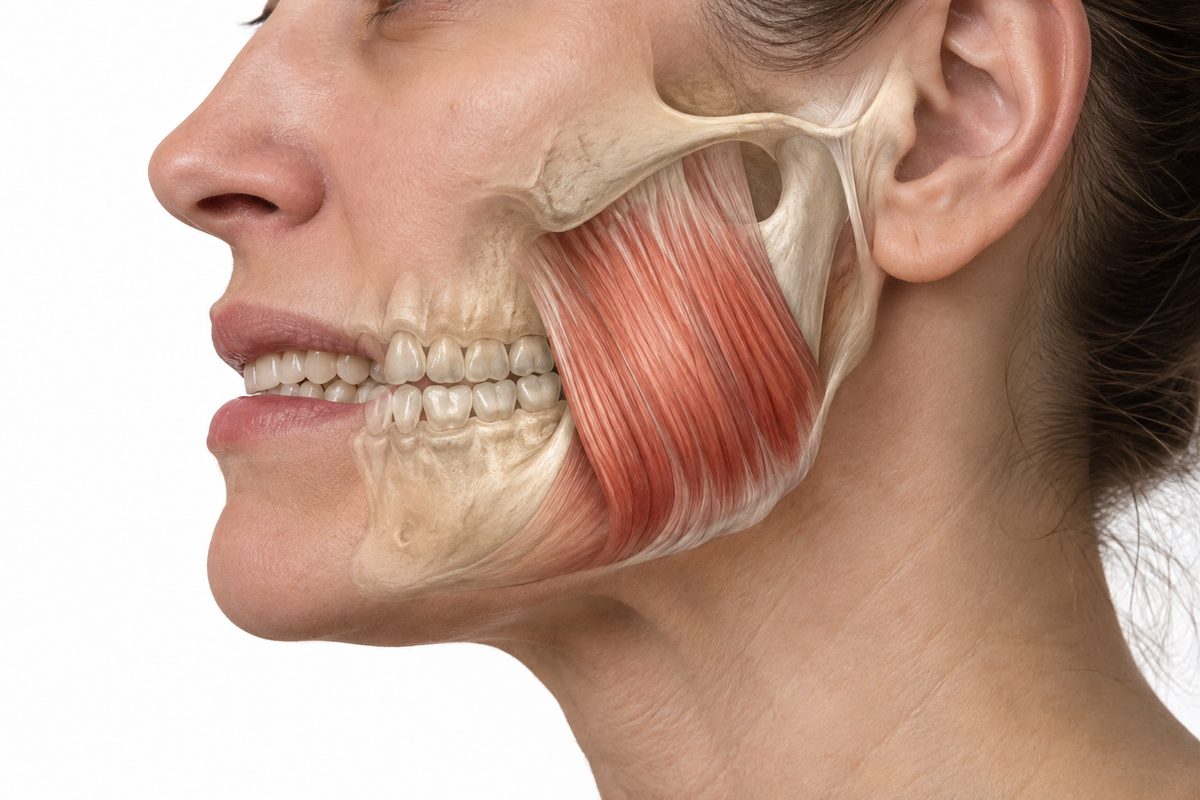
Grinding and clenching can wear teeth down, crack them, and leave your jaw sore. A night guard is the usual answer, but it isn't always the right first step. At Scottsdale Family Smiles, we look for why you're grinding before choosing a guard, because in some people, grinding is a sign of disrupted breathing during sleep, and some guards can make that breathing worse.
If you're considering a night guard, ask about our free overnight pulse oximeter. Call (480) 607-6937 to schedule an evaluation.
Book a Grinding Evaluation- What is bruxism?
- Signs
- Types of tooth wear
- Breathing first
- Free oximetry
- Choosing a guard
- Treating the cause
- Your visit
- FAQ
Key takeaways
- Grinding is often a sign of something else, such as brief awakenings or disrupted breathing during sleep.
- In some people, a night guard can worsen sleep-disordered breathing, so we check first.
- Patients considering a guard get a free overnight pulse oximeter to screen for breathing problems.
- Oximetry is screening, not diagnosis. It can miss UARS, so a sleep study may be recommended.
- Tooth wear has several causes: grinding, acid, brushing, and biting forces.
What Is Bruxism?
Bruxism is clenching or grinding the teeth. It comes in two forms that often have different causes:
- Sleep bruxism happens at night, usually without the person knowing. A bed partner may hear it, or a dentist may see the wear it leaves.
- Awake bruxism is daytime clenching or bracing of the jaw, often during concentration, driving, or stress.
Occasional clenching is common and harmless. When it's frequent or forceful, it can wear and crack teeth, strain the jaw joints and muscles, and break down dental work.
Researchers now see sleep bruxism less as a "bad habit" and more as a sign of something else happening during sleep, most often brief awakenings called micro-arousals. That's why we look for the cause before choosing a treatment.
Signs You May Be Grinding or Clenching
In your teeth
Flattened, shortened, or chipped edges, small cracks, worn-through enamel, notches at the gumline, sensitivity, and fillings or crowns that keep breaking.
In your jaw and head
Sore or tired jaw muscles on waking, morning headaches, clicking or aching jaw joints, ear fullness, and neck or shoulder tension.
In your sleep
Grinding noises, snoring, waking unrefreshed, waking often at night, dry mouth, or a tongue with scalloped edges.
Not All Tooth Wear Is Grinding
Worn teeth are one of the most common reasons patients come to us asking about a night guard. But wear has several causes, and many people have more than one. Finding the right cause decides the right treatment.
| Type of wear | What causes it | What it often looks like |
|---|---|---|
| Attrition | Tooth-on-tooth grinding and clenching | Flat, shiny facets on biting edges that match between upper and lower teeth |
| Erosion | Acid from reflux, frequent acidic drinks, or a dry mouth | Smooth, rounded, cupped surfaces, often worse on the tongue side of upper teeth |
| Abrasion | Hard brushing, abrasive toothpaste, or habits like holding pins or nails in the teeth | Notches near the gumline, often on one side |
| Abfraction | Heavy biting forces flexing the tooth | Wedge-shaped notches at the gumline |
Nighttime reflux and mouth breathing can both be linked to disrupted sleep breathing, so acid wear and grinding wear sometimes share a root cause.
Why We Check Your Breathing Before Making a Night Guard
In some people, nighttime grinding is linked to sleep-disordered breathing, a range that runs from snoring and upper airway resistance to obstructive sleep apnea. When the airway narrows during sleep, the brain briefly arouses, and jaw muscle activity, including grinding, often follows. Not everyone who grinds has a breathing problem, but it's common enough that we check.
This matters because a night guard can make sleep-disordered breathing worse in some patients. A guard adds bulk to the mouth and can let the lower jaw and tongue fall back. In a small pilot study of patients with sleep apnea, a standard upper guard worsened breathing measures in about half of them.
So before we recommend a guard, we want to understand why you're grinding and what the guard needs to do: protect worn teeth, take strain off the jaw joints, or help keep the airway open. Different goals call for different designs.
Questions we answer first
- Is the wear from grinding, acid, or both?
- Do you snore, mouth-breathe, or wake unrefreshed?
- Does your oxygen dip, or your heart rate spike, at night?
- Are your jaw joints and muscles healthy?
- Is tongue posture or a tongue tie part of the picture?
Free Overnight Pulse Oximetry
If you're considering a night guard, we offer a free overnight pulse oximeter to wear at home. It's a small fingertip sensor that records your oxygen level and heart rate through the night.
What it can show: repeated oxygen dips, heart-rate surges, and patterns that suggest your breathing is being disrupted during sleep. These findings help us decide what kind of guard, if any, is right for you.
What it can't show: a pulse oximeter is a screening and tracking tool, not a sleep study. It can't diagnose sleep apnea, and a normal result doesn't rule out a breathing problem. Upper airway resistance syndrome (UARS), for example, involves harder breathing effort and brief arousals, often with little or no drop in oxygen, so an oximeter can miss it.
When your results, symptoms, or exam suggest a breathing problem, we'll recommend a home sleep study or in-lab testing. All apnea diagnoses are made by a board-certified sleep physician.
Using the oximeter to track changes
Because it's easy to wear night after night, we also use the oximeter to compare how changes affect your sleep:
- Nasal strips such as Breathe Right, to see whether opening the nose helps
- Lip or mouth tape, to see whether encouraging nasal breathing helps. Only try this if you can breathe comfortably through your nose, and talk with us first.
- Mandibular advancement device (MAD) titration, to track each small forward adjustment of a sleep appliance
- Before-and-after comparisons with and without a night guard
Matching the Guard to the Goal
"Night guard" covers several very different appliances. Once we understand the cause, we'll recommend the design that fits your goal, or explain why a guard isn't the first step.
Protective guard
A hard, custom, flat-plane guard that spreads biting forces and protects teeth and dental work from wear when breathing isn't a concern.
Airway-friendly appliance
When grinding is tied to diagnosed sleep-disordered breathing, an appliance that holds the lower jaw forward (a MAD) can protect the teeth while supporting the airway. Sleep testing guides this choice.
TMJ splint
When the jaw joints and muscles are the main problem, a splint designed for the joint is part of a broader TMJ treatment plan.
Over-the-counter boil-and-bite guards are soft and bulky. For some people, chewing on a soft guard can increase muscle activity, and like any guard, they can affect breathing. Have your grinding evaluated before relying on one.
Treating the Cause, Not Just the Wear
A guard protects the teeth, but it doesn't stop the grinding. Depending on what we find, your plan may also include:
- Sleep testing and airway treatment with a sleep physician, such as oral appliances and other CPAP alternatives, or jaw development with Vivos
- Nasal breathing support, with referral to an ENT when the nose is blocked
- Myofunctional therapy to retrain tongue posture, and tongue-tie release when indicated
- Jaw joint care for TMJ symptoms, from physical therapy to injections
- Daytime awareness: "lips together, teeth apart" for awake clenching
- Reflux and diet review with your physician when there's acid wear
Repairing worn teeth
Once the cause is under control, worn or cracked teeth can be rebuilt conservatively, with bonded ceramic onlays, metal-free bonding, or, for advanced wear, a planned full-mouth reconstruction. Rebuilding before the cause is addressed puts new dental work at risk of the same damage.
Your Grinding & Tooth Wear Visit
- Exam. We map the pattern of wear, check your jaw joints and muscles, look at tongue posture and the airway, and review your sleep and health history.
- Free overnight oximetry. You wear a fingertip pulse oximeter at home for a night or more.
- Sleep testing if needed. If screening or symptoms point to a breathing problem, we arrange a home sleep study or in-lab testing, read by a board-certified sleep physician.
- Your plan. We recommend the right appliance, if any, and any treatment for the underlying cause.
- Fitting and follow-up. Your guard or appliance is custom-made and adjusted, and we can repeat oximetry to check that it isn't affecting your breathing.
What Our Patients Say
“The culture here is very comforting for someone with dental anxiety. After 14 years of migraines, teeth and jaw pain, there are finally some answers for me.”
“Everyone took the time to listen to my concerns, run tests and help find a conservative and effective treatment plan. After 8 months and 4 different dentists visits I am so glad to have found this practice.”
★ 5.0 on Google from 440+ reviews · Read more patient reviews
Teeth Grinding & Night Guard FAQ
Do I need a night guard if I grind my teeth?
Often a guard helps protect the teeth, but the right type depends on why you grind. We check your breathing first, because in some people a standard night guard can make sleep-disordered breathing worse.
Can a night guard make sleep apnea worse?
It can in some people. A guard adds bulk and can let the lower jaw and tongue fall back during sleep. A small pilot study found a standard upper guard worsened breathing measures in about half of patients with sleep apnea. That is why we screen first.
What is the free pulse oximeter?
For patients considering a night guard, we lend a fingertip pulse oximeter at no charge to wear overnight at home. It records oxygen levels and heart rate so we can look for signs of disrupted breathing before choosing a guard.
Can a pulse oximeter rule out sleep apnea or UARS?
No. Pulse oximetry is for screening and tracking only. It cannot diagnose sleep apnea, and a normal result does not rule out a breathing problem. Upper airway resistance syndrome often causes little or no drop in oxygen. If we suspect a problem, we recommend a sleep study read by a board-certified sleep physician.
Why do people grind their teeth at night?
Sleep bruxism is often linked to brief awakenings during sleep. Contributors can include sleep-disordered breathing, stress, caffeine, alcohol, smoking, some medications, and reflux.
Are my worn teeth from grinding?
Maybe, but wear also comes from acid (erosion), hard brushing (abrasion), and heavy biting forces. Many people have a mix. We look at the pattern of wear to find the cause.
Can you fix teeth that are already worn down?
Yes. Once the cause is under control, we can rebuild worn teeth with conservative ceramic onlays, bonding, or a full-mouth reconstruction for advanced wear.
Is a store-bought guard OK?
Over-the-counter guards are soft and bulky, may not fit well, and can affect breathing like any guard. We recommend an evaluation before relying on one.
Can I use nasal strips or mouth tape?
Some patients do, and the oximeter can show whether they help. Only try mouth tape if you can breathe comfortably through your nose, and talk with us first.
Related Services
Protect Your Teeth, and Your Sleep
Schedule a grinding and tooth-wear evaluation with Dr. Fattah, and ask about a free overnight pulse oximeter before choosing a night guard.
This page is for patient education and is not medical advice. Diagnosis and treatment decisions should be made with your dentist and physician based on your individual exam and health history.