
TMJ, Jaw Pain & Bruxism Treatment
Jaw joint pain can be debilitating. If you suffer from persistent jaw pain, call Scottsdale Family Smiles at (480) 607-6937 to schedule an appointment. Our team will identify the causes of your pain and create a personalized treatment plan for your unique needs.
Understanding TMJ and Jaw Joint Pain
TMJ and jaw joint pain can show up in lots of different ways, and for many people, it can really get in the way of normal daily activities. This discomfort might be more noticeable when chewing, talking, or even just opening and closing your mouth. Sometimes, the pain doesn’t stay put; it can spread out from your jaw into areas such as your temples, ears, neck, or shoulders. You might also notice headaches, as well as changes in how well you’re able to chew or bite down.
Common Causes and Connections:
Temporomandibular Joint Disorders (TMJ/TMD)
- TMJ disorders can be painful and can restrict movement in the jaw joint, often causing locking, clicking, or popping sounds, and pain around the ear and jaw.
Bruxism (Teeth Grinding)
- Teeth Grinding can often be related to stress, sleep disorders, medication, and more. Teeth Grinding over time, puts pressure on the jaw, leading to fatigue, pain, morning headaches, and in severe cases, jaw locking or limited movement.
Stress and Everyday Habits
- Stress can trigger unconscious jaw clenching or grinding, especially during sleep, contributing to muscle tightness, TMJ symptoms, and jaw pain.
Symptoms That Signal Jaw/TMJ Problems:
- Aching or Throbbing: This may be a dull, throbbing, or persistent pain in the jaw joint and/or their surrounding areas.
- Sharp or Stabbing: Sudden, intense pain that is brief but severe.
- Tenderness: Discomfort or soreness when chewing or touching your jaw.
- Clicking or Popping: These are audible sounds or sensations when opening or closing your mouth.
- Locking or Limited Movement: Locking or limited ability to open or close your mouth, especially after waking up, or chewing.
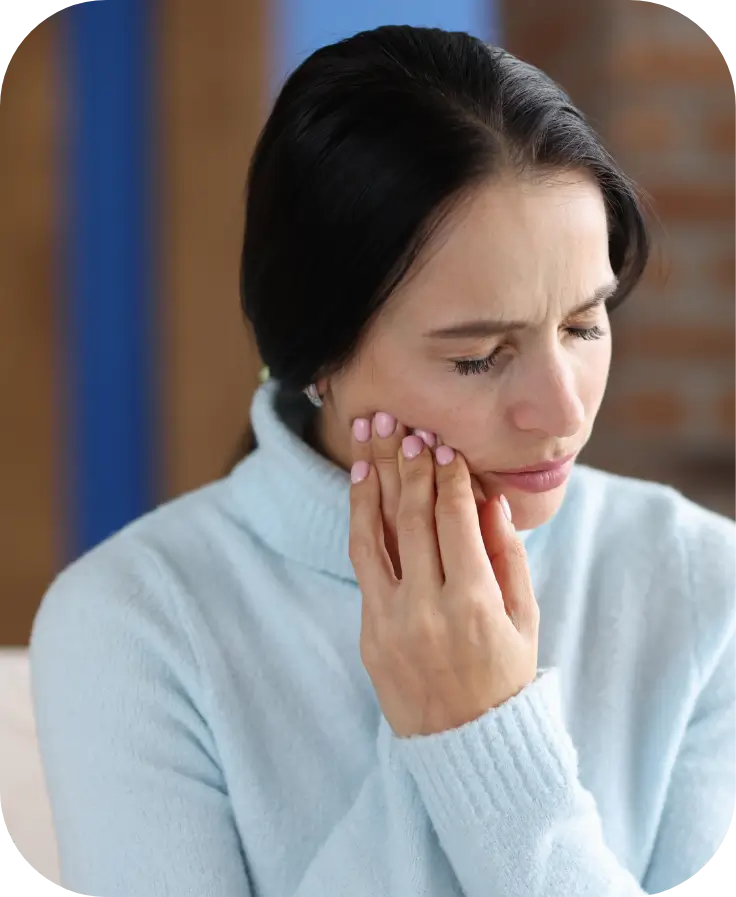
Symptoms of TMJ Dysfunction
Any sounds at all coming from the temporomandibular joint are a problem. Any loss of range of motion, locking, or popping is a sign that the joint is not working properly. Early correction and protection are best. Don’t wait for severe pain to be evaluated. Schedule an appointment for professional evaluation if you experience:
- Severe pain that interferes with daily activities
- Jaw locking, or an inability to fully open or close your mouth
- Swelling, redness, or other visible signs of inflammation around the jaw
- Discomfort or pain extending to your ears that causes headaches
- Noticeable changes in the way your teeth fit together
- Pain or discomfort while chewing or speaking
Causes of Jaw Pain & Teeth Grinding
Jaw pain can have any number of causes, including:
- Bruxism (Teeth Grinding): Clenching or grinding your teeth, often during sleep, can cause jaw joint stress and pain. Chronic bruxism can enlarge jaw muscles, alter facial shape, and accelerate damage to your teeth and joint cartilage.
- Temporomandibular Joint (TMJ) Disorders: A dysfunctional TMJ, which connects your jawbone to your skull, can cause pain and limit jaw movement. Common triggers include arthritis, jaw injuries, misalignment, and stress-induced muscle spasms.
- Dental Issues: Cavities, abscesses, misaligned teeth, and gum disease can worsen jaw discomfort.
- Lockjaw (Tetanus): In rare cases, a tetanus infection can cause muscle stiffness and spasms.
- Sinus Infections: Sinusitis can cause referred pain from the sinus cavities to the jaw joint.
- Arthritis: Inflammatory joint conditions like arthritis are known to affect the jaw joint.
- Trauma or Injury: Physical trauma to the jaw, face, or head can cause persistent jaw pain.
- Stress: Clenching your jaw is a common response to emotional stress. Additionally, habits like gum chewing, nail biting, or biting objects amplify muscle strain, which can cause or worsen jaw locking.
Jaw Pain Treatment
Addressing jaw joint pain often requires both at-home and professional treatment. As a holistic dental practice, Scottsdale Family Smiles treats both jaw pain and the underlying causes of joint dysfunction to help patients achieve a higher level of health. Our care protocol includes:
Self-Administered Therapies
- Apply ice or heat packs
- Avoid hard or chewy foods
- Practice stress-reduction techniques
Medications
- Over-the-counter pain relievers like nonsteroidal anti-inflammatory drugs (NSAIDs)
- Muscle relaxants prescribed by a healthcare professional
Dental Treatments
- Dental appliances like mouth guards to stop teeth grinding
- Orthodontic treatments for bite correction
Physical Therapy
- Exercises to improve jaw mobility
- Stretches to reduce muscle tension
Medical Procedures
- Corticosteroid injections to reduce inflammation
- Surgical intervention in severe cases, such as TMJ arthroscopy
Lifestyle Modifications
- Avoid excessive gum chewing or nail biting
- Practice good posture to reduce jaw strain
What Our Patients Are Saying
Jaw Joint Pain
Scottsdale, AZ