The Mouth–Body Connection
How your gums affect your heart, blood sugar, joints, and more
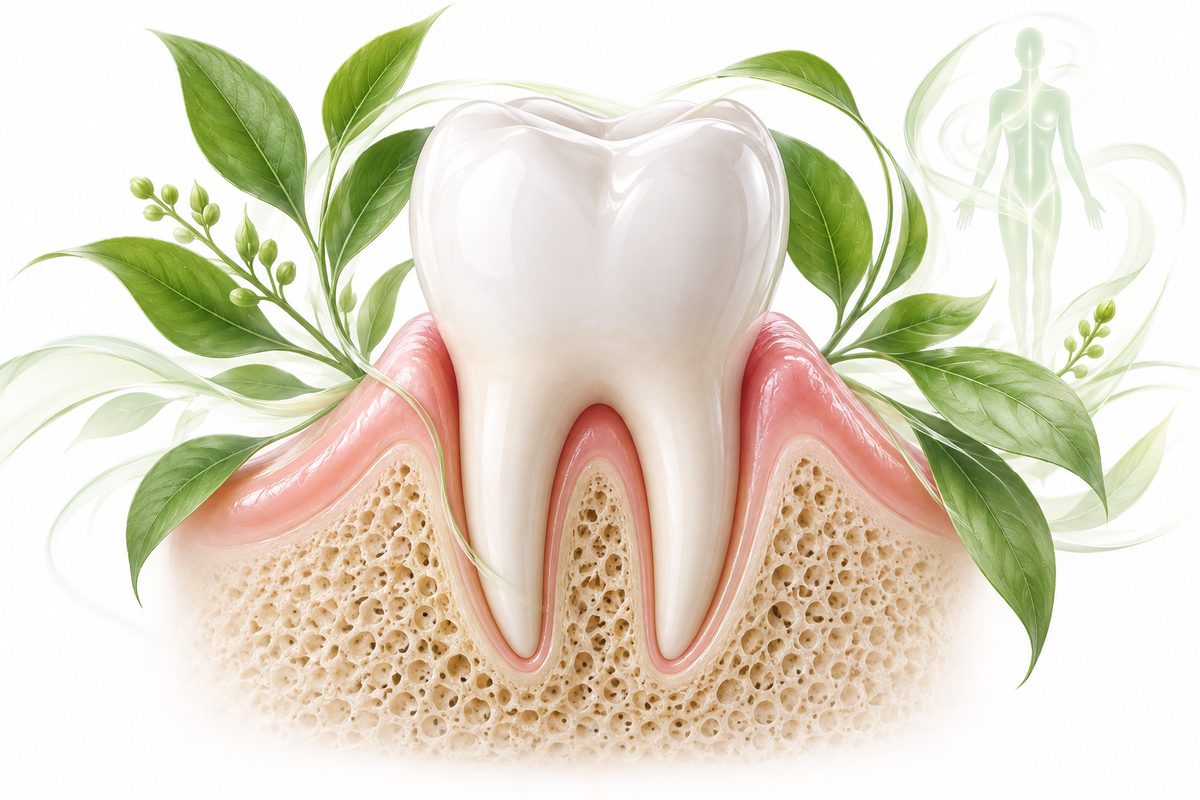
Your mouth isn't separate from the rest of your body. It's the start of your digestive tract, a gateway to your lungs, and home to hundreds of kinds of bacteria. When that balance tips toward gum disease, research shows the effects can reach far beyond your teeth, to your heart, blood sugar, joints, lungs, and gut.
A 2025 review described the mouth as “a critical indicator of overall health.” Here's what the research shows, how the connection works, and what it means for your care.
Book a Gum Health ExamKey takeaways
- Gum disease is consistently linked with heart disease, diabetes, lung infections, and pregnancy complications.
- Newer research points to links with arthritis, kidney, brain, and gut health.
- Bacteria and inflammation travel through the bloodstream, the gut, and the lungs.
- Most studies show an association, not proven cause, but treating gum disease is low-risk and worthwhile.
- With diabetes, gum treatment modestly lowers long-term blood sugar.
One Mouth, Every Body System
A 2026 review of 40 recent studies mapped how the bacteria in your mouth relate to the rest of your body. It found clear evidence of an association between an unhealthy balance of oral bacteria and heart disease, type 2 diabetes, chronic respiratory infections, and pregnancy complications. Newer data also suggest links with brain, kidney, and autoimmune diseases, and with some cancers.
Heart & blood vessels
Gum disease is linked to hardening of the arteries and high blood pressure.
Blood sugar
Diabetes and gum disease worsen each other in both directions.
Lungs
Oral bacteria can be breathed in, raising the risk of pneumonia and other chest infections.
Pregnancy
Gum disease is linked to preterm birth and low birth weight.
Joints & immune system
Studies link gum disease to rheumatoid arthritis and other autoimmune conditions.
Gut & liver
Swallowed oral bacteria can disturb the gut's balance; links to fatty liver and gut disease are being studied.
Brain
Researchers are studying oral bacteria and inflammation in memory loss and Alzheimer's disease.
Kidneys
Gum disease is more common in chronic kidney disease, and inflammation may link the two.
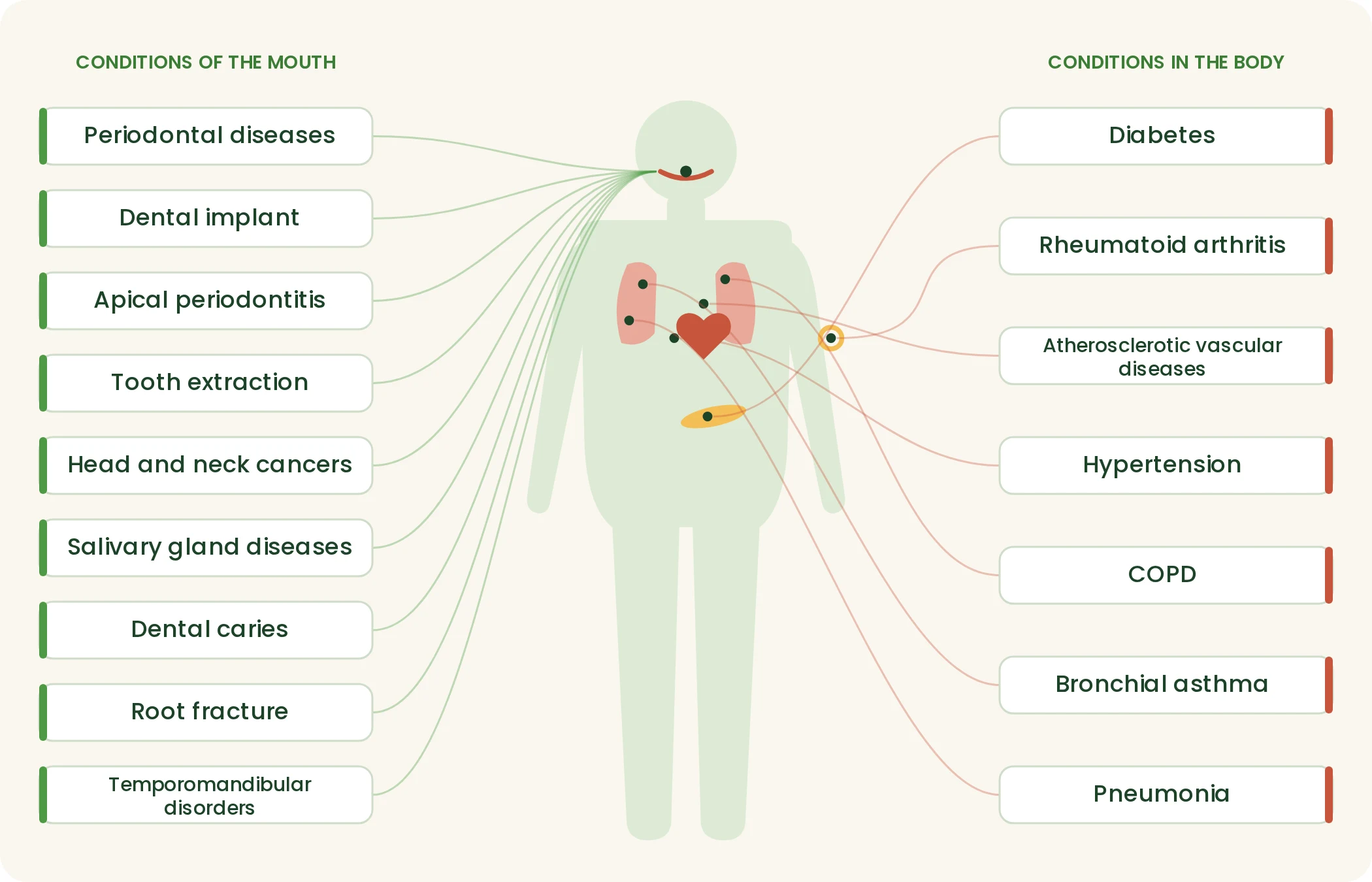
“Consistent evidence” means many studies find the link. Most are observational, so they show that two conditions travel together, not that one causes the other.
How the Mouth Reaches the Rest of the Body
Researchers describe several pathways that connect gum disease with health elsewhere:
Through the bloodstream
Inflamed gums are an open wound around each tooth. Bacteria and their toxins can enter the blood during chewing and brushing and travel to blood vessels, joints, and organs.
Through inflammation
Gum disease releases inflammatory signals into the body, the same signals that drive heart disease and insulin resistance.
Swallowed and breathed in
We swallow oral bacteria all day, and some are breathed into the lungs, especially in older adults and people who are ill.
By confusing the immune system
Some gum bacteria change the body's own proteins so the immune system starts attacking them, one proposed link to rheumatoid arthritis.
Gum Health and Your Heart
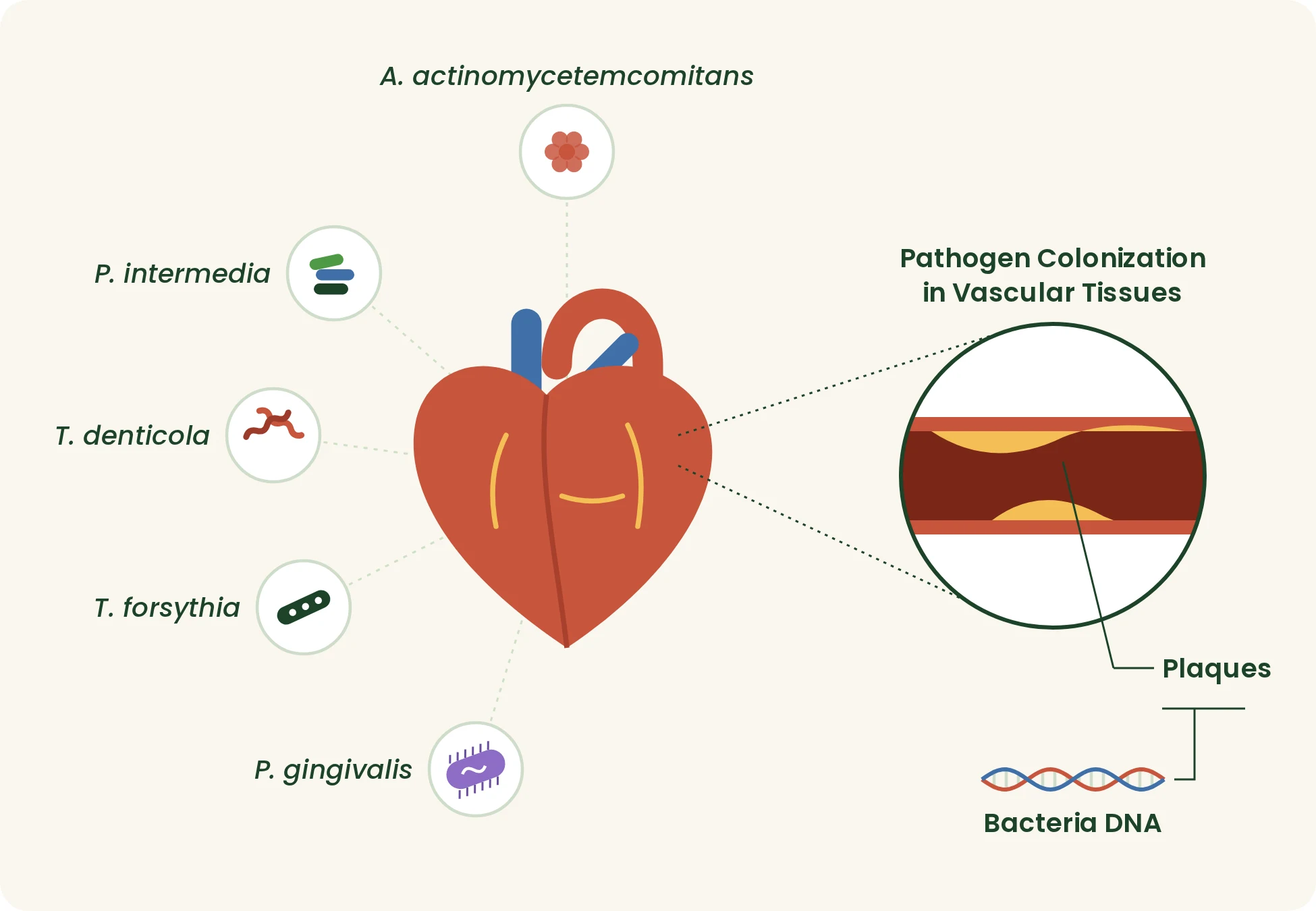
The gum-disease bacterium Porphyromonas gingivalis makes enzymes that, in laboratory studies, damage the lining of blood vessels. Along with the inflammation gum disease causes, this is one proposed way it could speed up plaque buildup in arteries and contribute to high blood pressure.
The American Heart Association reviewed the evidence and found that gum disease and heart disease are linked independently of shared risk factors like smoking and diabetes, though it hasn't been proven that treating gums prevents heart attacks.
A Two-Way Street With Diabetes
High blood sugar makes the gums more inflamed and harder to heal, and gum inflammation makes blood sugar harder to control. Diabetes and periodontal experts agree the relationship runs both ways.
The good news runs both ways too: in people with type 2 diabetes, gum treatment modestly lowers long-term blood sugar (HbA1c). If you have diabetes, a periodontal exam belongs in your care plan.
Gum Disease and Rheumatoid Arthritis
P. gingivalis carries a rare enzyme that changes proteins in a way the immune system can mistake for a threat. The body then makes antibodies against these changed proteins, the same antibodies doctors test for when diagnosing rheumatoid arthritis.
People with rheumatoid arthritis have gum disease more often, and researchers are studying whether gum bacteria help trigger or worsen joint inflammation. If you have an autoimmune condition, keeping your gums healthy is a sensible part of your care.
Lungs and Gut
Lungs: bacteria from the mouth can be breathed into the lungs. Good oral care lowers the risk of pneumonia, especially for older adults and hospital patients, and gum disease is linked to chronic lung conditions such as COPD.
Gut: the mouth is the start of the digestive tract. Gum-disease bacteria that are swallowed can disturb the balance of gut bacteria, and an unhealthy gut can feed back into inflammation in the mouth. Possible links to gut disease and digestive cancers are an active area of research.
Gum Health During Pregnancy
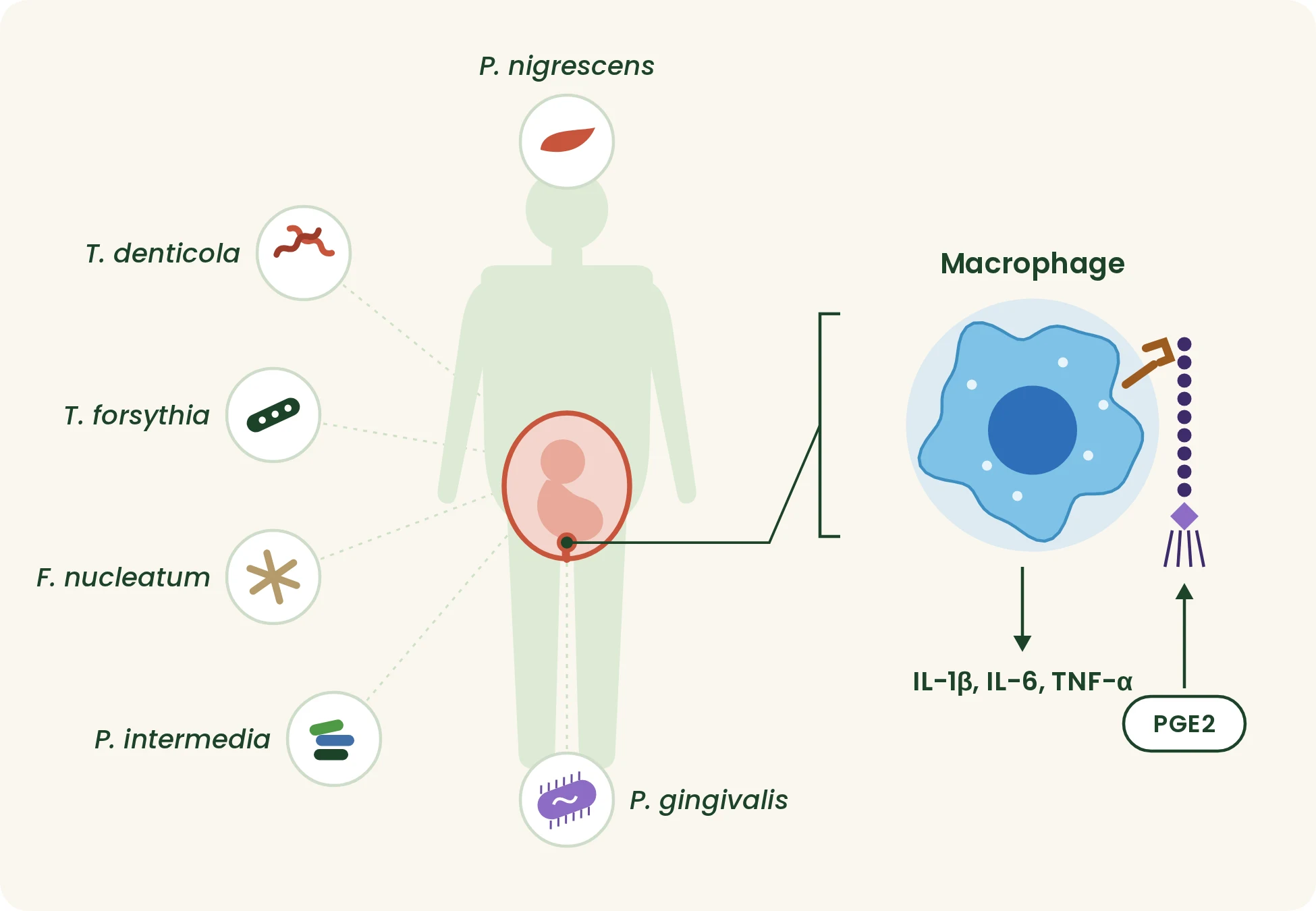
Hormone changes make gums more prone to swelling and bleeding during pregnancy. Gum disease has been linked with preterm birth, low birth weight, and preeclampsia.
Researchers think gum bacteria can travel to the placenta and trigger inflammation there. Studies of gum treatment during pregnancy haven't consistently shown fewer complications, but treatment is safe in pregnancy and keeps you comfortable. A checkup and cleaning, ideally in the second trimester, is a good idea.
How We Put This Into Practice
Because the mouth is part of the whole body, Dr. Fattah looks beyond individual teeth for sources of hidden infection and inflammation, and treats them as gently as possible.
Finding hidden inflammation
Gum-pocket measurements, 3D CBCT imaging, and saliva testing help find infection that doesn't hurt, including in the jawbone.
Treating gums gently
Laser gum therapy and ozone reduce harmful bacteria and support healing.
Supporting your body
Guidance on nutrition, sleep, and breathing, because healing depends on more than the mouth.
Choosing compatible materials
Mercury-safe care, metal-free implants, and testing to find materials your body tolerates.
Working with your physician
Tell us about diabetes, heart disease, arthritis, or pregnancy, and we'll coordinate with your medical team when it helps.
Staying ahead of it
Regular checkups catch gum disease while it's still easy to treat.
What Our Patients Say
“I needed a deep cleaning and 3 teeth removed. I bravely did the procedure fully awake with numbing. Dr. Fattah was reassuring and gentle. I hardly felt a thing!”
“Just had my first cleaning as well and it was the best most detailed cleaning I’ve ever had!”
“You don't even feel any of the work she's doing in your mouth”
★ 5.0 on Google from 440+ reviews · Read more patient reviews
Mouth–Body Connection FAQ
Can gum disease really affect the rest of my body?
Research consistently links gum disease with heart disease, type 2 diabetes, lung infections, and pregnancy complications, and newer studies point to links with arthritis, kidney disease, and brain health. Most of this research shows an association. It doesn't yet prove that gum disease causes these conditions, but it's a strong reason to keep your gums healthy.
How do bacteria from my mouth get into my body?
When gums are inflamed, the lining around each tooth becomes an open wound. Bacteria can slip into the bloodstream through it, especially while chewing or brushing. Oral bacteria are also swallowed into the gut and can be breathed into the lungs, and the inflammation itself sends chemical signals throughout the body.
Does treating gum disease help my diabetes?
For people with type 2 diabetes and gum disease, the international consensus report from diabetes and periodontal experts found that gum treatment lowers long-term blood sugar (HbA1c) modestly, by roughly 0.3 to 0.5 percentage points in the months after treatment. Keep working with your physician on your diabetes care.
Should I tell my dentist about my medical conditions?
Yes. Diabetes, heart disease, rheumatoid arthritis, lung disease, pregnancy, and the medications you take all affect how we plan your care. Likewise, tell your physician if you've been told you have gum disease.
I have no pain. Could I still have gum disease?
Often, yes. Gum disease is usually painless until it's advanced. Bleeding when you brush or floss, puffy or receding gums, bad breath that doesn't go away, and teeth that feel loose are common signs. A periodontal exam measures the pockets around each tooth to find it early.
Is this what biological dentistry means?
It's a big part of it. Biological dentistry treats the mouth as part of the whole body. We look for hidden infection and inflammation, choose materials your body tolerates, and support healing with tools like ozone, laser, and PRF.
Related Services
Healthy Gums, Healthier You
Book a gum health exam with Dr. Fattah and find out what's happening below the gumline.
This page is for patient education and is not medical advice. Diagnosis and treatment decisions should be made with your dentist and physician based on your individual exam and health history.