A throbbing toothache, swelling in your gum or face, a bad taste that won't go away, or a tooth that hurts when you bite can all be signs of infection. Please call us right away: an infection won't heal on its own, and the sooner it's treated, the simpler treatment usually is.
A tooth abscess, often called an infected tooth, forms when pus collects inside the tooth or surrounding gum tissue due to bacterial infection. Left untreated, it causes severe pain and can lead to serious health complications.
If you think you have an infected tooth, call (480) 607-6937.
Request an AppointmentKey takeaways
- Facial swelling with fever, trouble swallowing, or trouble breathing is an emergency: go to the ER or call 911.
- Common signs: throbbing pain, swelling, a pimple on the gum, or a bad taste.
- Antibiotics alone don't fix the source; the tooth still needs treatment.
- Options include drainage, root canal therapy, or extraction.
- We aim for the least invasive treatment that fully clears the infection.
When an Infected Tooth Is an Emergency
Go to the ER or call 911 if you have:
- Swelling spreading to the eye, neck, or under the jaw
- Difficulty swallowing or breathing
- High fever with facial swelling, or you feel very unwell
For pain or swelling without these signs, call us at (480) 607-6937 and we'll see you as soon as possible.
Tooth Infection Symptoms
Severe toothache
Persistent, throbbing pain that gets worse when you chew or lie down.
Swelling
Inflammation in the gum, face, or cheek near the tooth.
Sensitivity
Lingering sensitivity to hot or cold.
Fever
Fever, chills, or aches in more serious cases.
Pimple on the gum
A bump that may drain and leave a salty or bad taste.
A darkening tooth
A tooth turning gray can mean the nerve has died, even without pain.
What Causes a Tooth Infection?
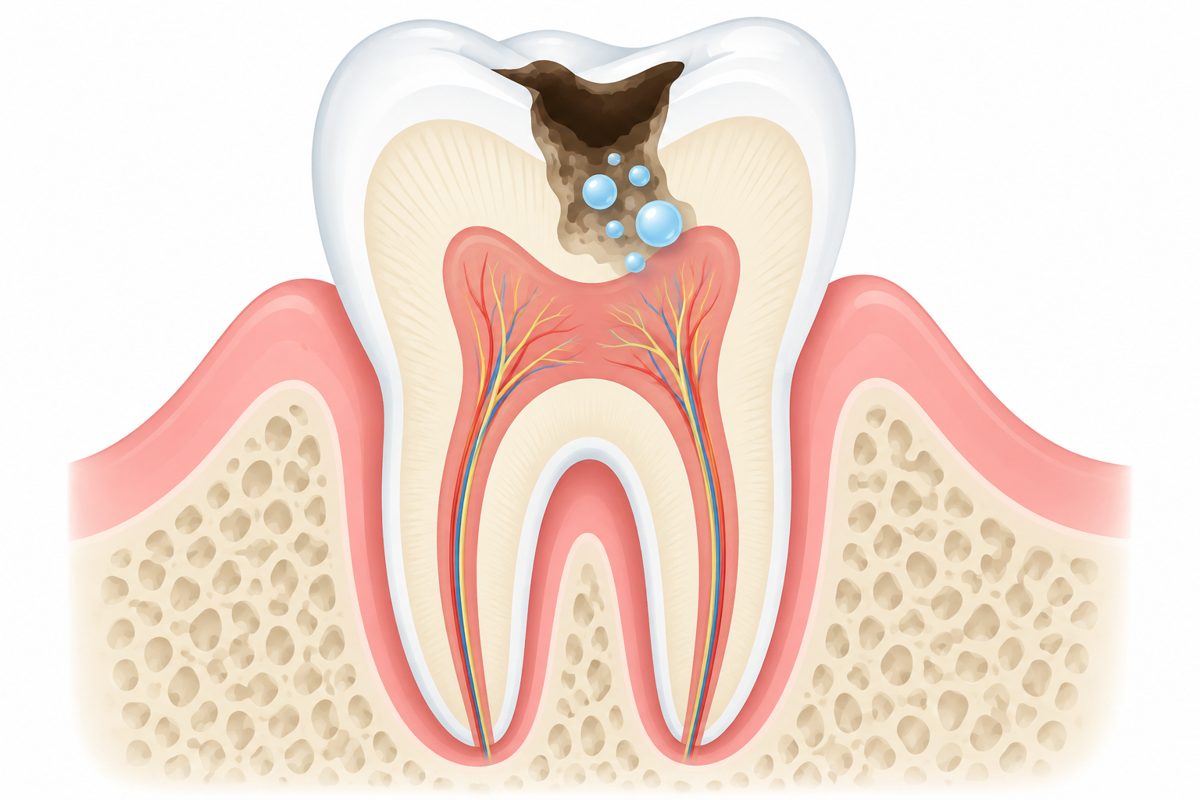
Infections typically start when bacteria reach the pulp, the innermost part of the tooth that holds nerves and blood vessels, or collect in a deep gum pocket.
- Untreated cavities let bacteria into the tooth
- Gum disease forms pockets where bacteria thrive
- Trauma, cracks, or chips expose the pulp
- Leaking old fillings let decay restart underneath
- A weakened immune system makes infections harder to fight
- Smoking nearly doubles the risk by dampening immunity and worsening gum disease
How We Treat an Infected Tooth
We aim to avoid unnecessary antibiotics, medication, and root canals, but when they are the right choice, we provide them carefully. Your options depend on how much of the tooth can be saved.
Drainage
Relieving built-up pus releases pressure and starts healing.
Antibiotics when needed
Prescribed when infection is spreading or you have fever or swelling. They support treatment but don't remove the source.
Root canal therapy
Removes the infected pulp, cleans and seals the canals, and lets you keep the tooth.
Extraction
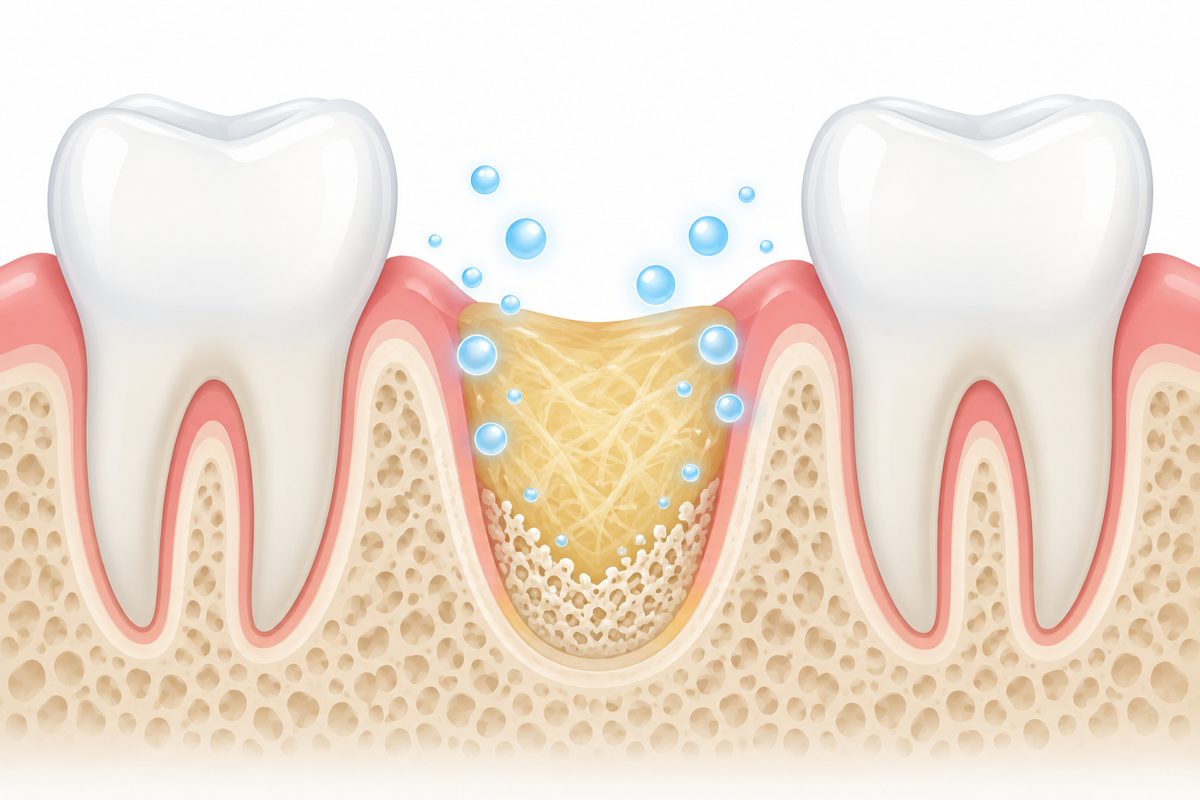
When a tooth can't be saved. We clean the socket thoroughly so it heals well; see cavitations. Ask about replacing the tooth.
Ozone therapy
Ozone may be used as part of our biological approach to help disinfect. Learn about ozone therapy.
Comfort
Over-the-counter or prescribed pain relief and a cold compress ease pain and swelling while you heal.
What Our Patients Say
“Had severe pain over the weekend, left a message and Sara got right back to me. Dr Fattah called me and sent in an antibiotic and scheduled a Monday first appointment. I was happy to hear we are trying to save a tooth, instead of an extraction!”
★ 5.0 on Google from 440+ reviews · Read more patient reviews
Infected Tooth Questions
Will an infected tooth heal without treatment?
No. Pain may fade if the nerve dies, but the infection remains and can spread. The tooth still needs treatment.
Can antibiotics cure a tooth infection?
Antibiotics can control spreading infection, but the source inside the tooth or gum has to be treated with drainage, a root canal, or extraction.
Is it a root canal or an extraction?
It depends on how much healthy tooth and bone remain and your preferences. We'll go over the pros and cons of each with you.
Can a tooth infection affect my overall health?
Yes. Rarely, dental infections spread to the face, neck, or bloodstream, which is why swelling with fever needs urgent care.
What can I do for pain tonight?
Rinse with warm salt water, use a cold compress on the cheek, and take an over-the-counter pain reliever as directed. Avoid placing aspirin on the gum. Call us to be seen.
Do you see new patients for infections?
Yes. Call (480) 607-6937 and tell us you have pain or swelling.
Related Services
Don't Wait on Tooth Pain
Early treatment keeps more of your tooth and your health.
This page is for patient education and is not medical advice. Diagnosis and treatment decisions should be made with your dentist and physician based on your individual exam and health history.